Reading Time: 5-6 Minutes
Date: 30 June, 2026
It could be that one conversation from lunch, one message forward from a WhatsApp group, that one reel that got stuck in your mind, or your cousin’s child who already knows the alphabets, all 26 of them. Little by little, the question that should feel normal starts feeling urgent: Is my child ready for preschool? Are they too late? Are they behind? Are we as parents doing something wrong? Are we too behind on the timeline? Stop, relax, and take a deep breath. There’s no rigid timeline that everyone has to follow; there’s no right age. It’s all about the readiness of your little one, and that is what we are going to discuss in this blog.
The Science You Should Actually Know
It’s always better to know the science behind how things work, so let’s see what goes on behind the so-called ‘right age’ of a child to enroll in a preschool, or let’s understand why ‘early’ matters without panicking.
When a child reaches the age of 3, their brain is already 80% of the weight of an adult-sized brain, and by age 5, the brain is 90% of the weight of an adult human brain. A study shows that this window is the most neurologically plastic period of human life. During this time the brain is most flexible and allows children to adapt to a wide range of environments.
But this doesn’t mean that it’s the time to rush your child; it actually means that the quality of what they experience in this phase will have a lasting weight. According to research, children who attend high-quality early care and education programs perform better in science, math, and technology and even in high school.
This is the major reason why Piccolo takes early years seriously.
So, at what age should you enroll your child in a preschool?
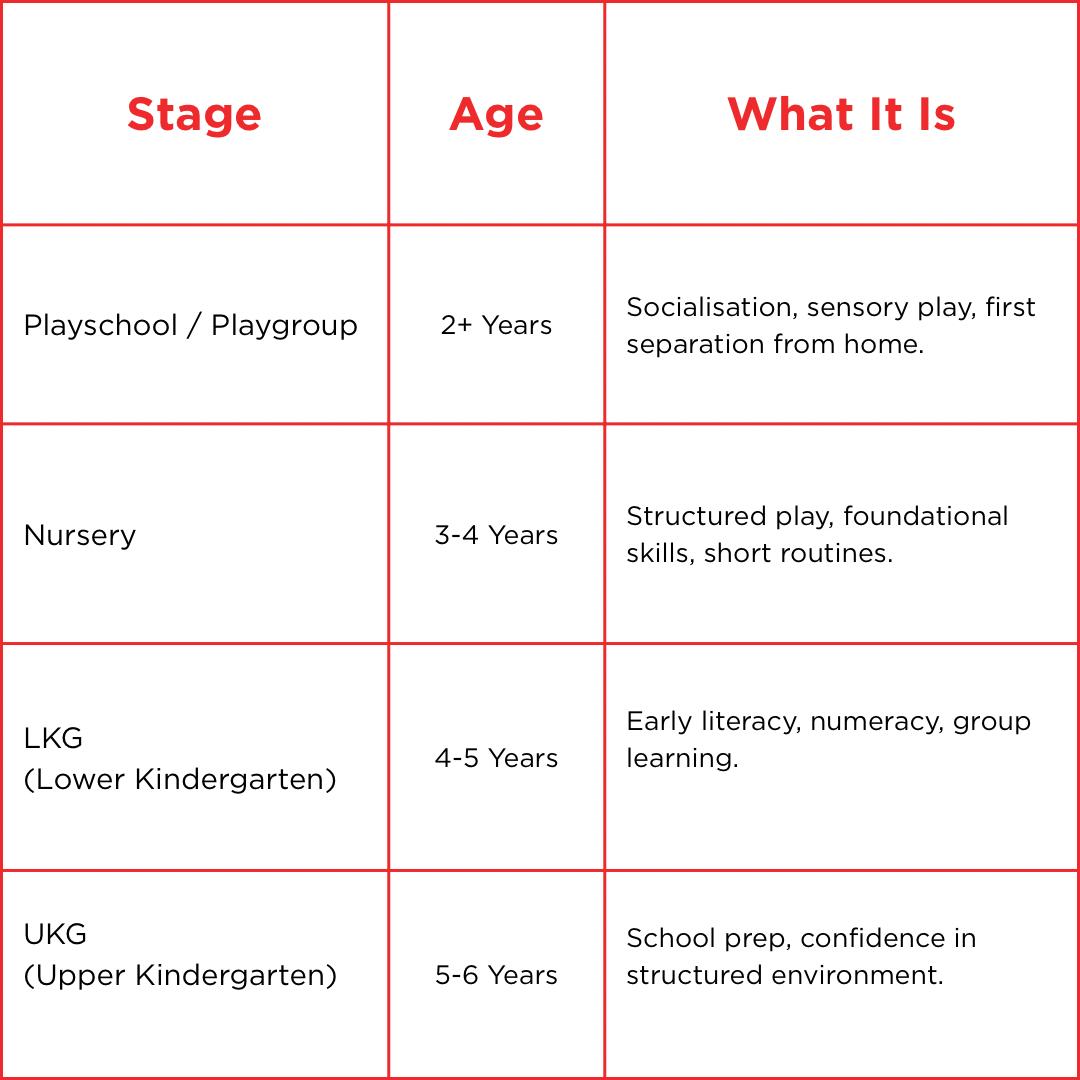
In India, many children start their preschool journey between the age of 3 and 5, basically when they are most developmentally ready for a classroom setting. Here’s what a typical pathway looks like in India:
Readiness Over Age, The Signs That Actually Matter
Your decision of enrolling your child in a preschool should not be based on what that lady at the park thinks or how perfectly your child aligns with the information written over that WhatsApp forward. There is no perfect age, it’s all about showing signs of readiness. Let’s dive into a few readiness markers that can help you understand if your child is ready for preschool or not:
Emotional Readiness:
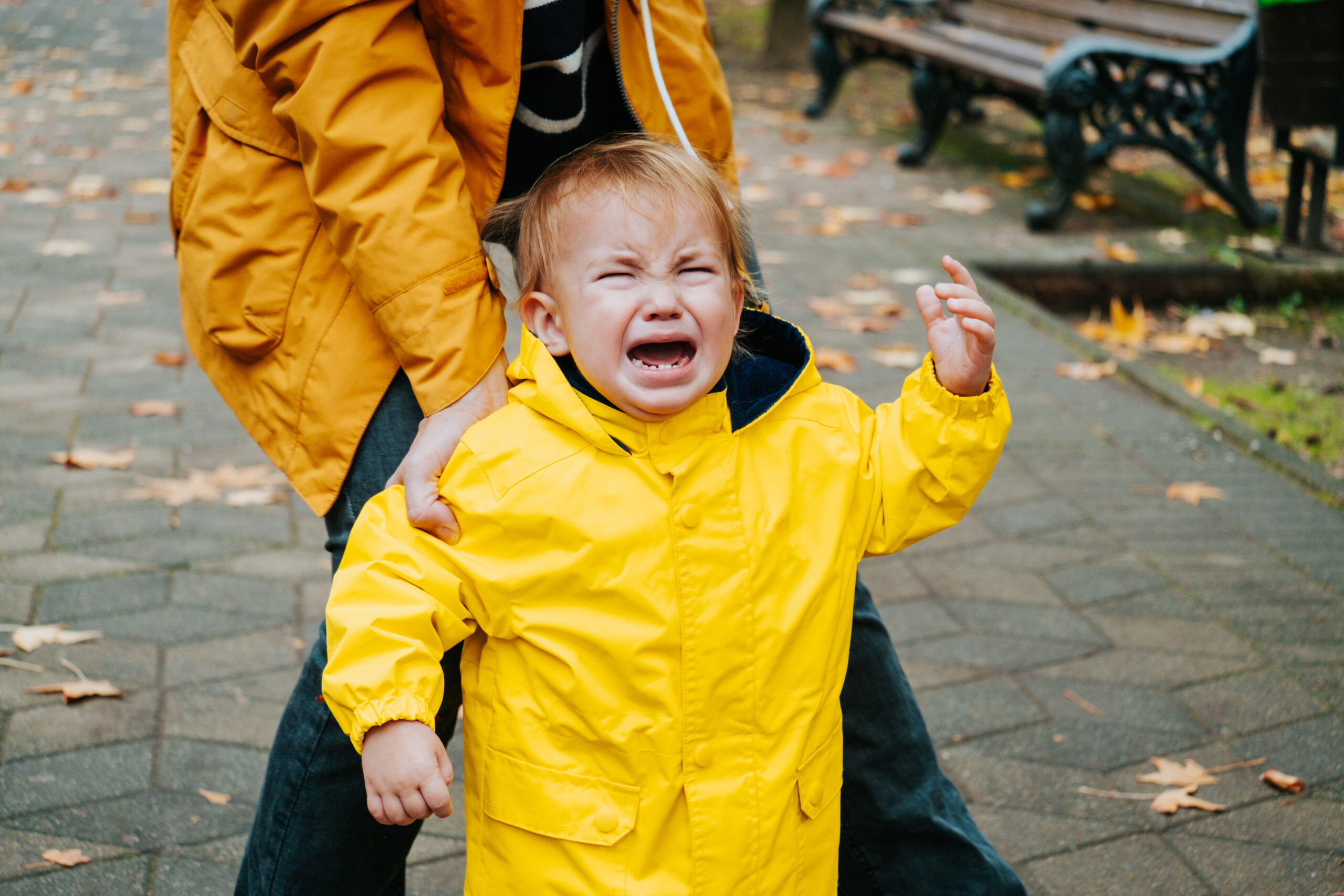
One of the major fears a parent faces is if their child will fall apart at the drop-off, and honestly, many children do, at first, but that does not showcase that they aren’t ready, it shows that they are securely attached to you, and it’s a good thing. The main question that arises is not whether they’ll cry or not, it’s whether they can recover from it.
Here are some signs to look for at home that can help you understand whether your little one is emotionally ready:
– If they can manage short-term separations from you, by staying with their grandparents, trusted adults, or close ones without showing any extended distress.
– If they can show some ability to wait, not perfectly for a long time but momentarily.
– If they can be comforted or redirected when upset rather than staying in distress for an extended period of time.
– If they don’t necessarily always need your presence to feel settled in a familiar place.
Emotional readiness doesn’t directly mean being brave, it’s about feeling secure enough to be curious when you’re not there. A child growing up in a warm, consistent, secure home builds an internal sense of safety, which doesn’t stay in one place, it travels along with them.
Social Readiness:
Social readiness does not indicate being conversational or outgoing, it means being interested.
This is something parents mostly misunderstand. They assume a quiet or shy kid isn’t socially ready, that’s not what being socially ready means at this age. Here’s what parents should look for:
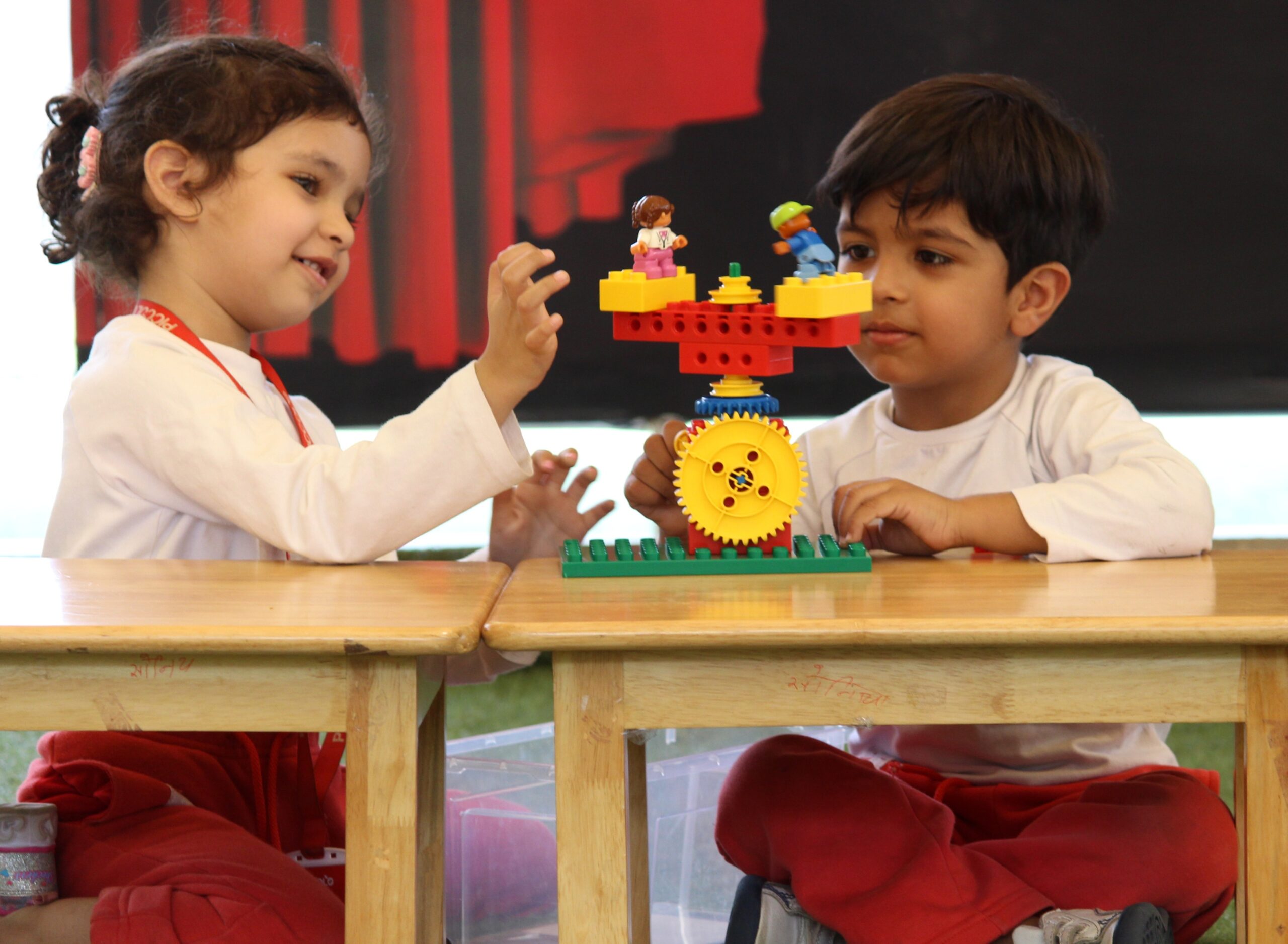
– If they show curiosity when they look at other children, they are willing to move towards them, wanting to know what they are doing.
– If they engage themselves in parallel play, not necessarily playing directly with other children but sometimes even playing alongside them.
– If they are attempting to communicate with others, even by just pointing, laughing with them, or offering a toy.
– If they show some awareness of others’ emotions even in the most basic ways, notice when another child cries or shows some signs of being aware of different emotions.
It doesn’t mean that your child is perfectly sharing with the other child, is fully confident in group play, or is able to make friends instantly, this is something that a preschool teaches.
Preschool exists to develop social skills among children, not to reward those who already have them. If your child is a tiny bit curious about what the other child is doing, that’s enough.
Communication Readiness:
A child doesn’t need to be fully articulate to be ready for preschool, but it’s important to have enough language or nonverbal communication to express their basic needs and to understand a simple instruction. Here’s what to look for to understand whether your child is communicating enough to enter a preschool:
– If they can communicate a feeling or something they want in simple words or by their gestures.
– If they respond to their name and make basic eye contact during conversations.
– If they’re able to follow simple step instructions, like putting their shoes on or waiting by the door.
– If they’re able to express their discomfort, hunger, pain, or unhappiness in some recognizable way, even if not in words.
Communication readiness matters because if a child is not able to follow the most basic verbal direction or is not able to signal their distress, they will struggle not because they’re not intelligent but because the environment will become overwhelming for them.
Independent Basics:
This often becomes the deciding factor if your child is ready for school or not. Independent basic skills doesn’t mean they are self-sufficient or not, it means a child can manage the basic mechanics of a school day with some adult intervention.
Here’s what to look for:
– If they can attempt basic self-care even imperfectly, such as putting on shoes or attempting to wash their hands.
– Working towards their toilet independence, not necessarily being perfect but being aware and attempting.
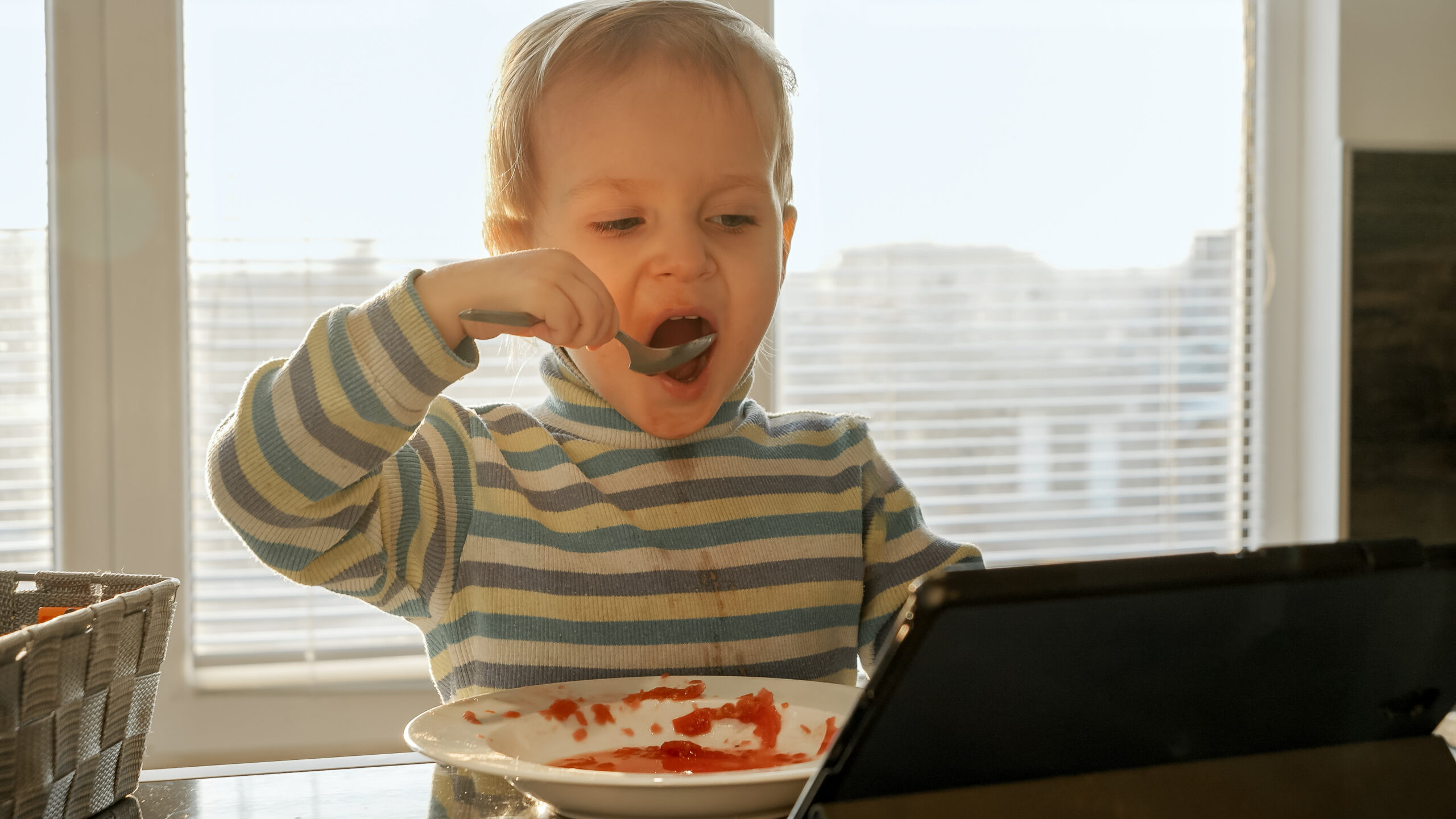
– If they can feed themselves on their own, even messily.
– If they’re able to follow simple routines, such as knowing to wash hands after eating or wearing shoes before going outside.
If you feel that your child isn’t there yet, that doesn’t mean that your little one is behind or there is some lack on your part, it just means a slight late start may serve them better. It doesn’t indicate any type of failure, it shows timing.
What If You’re Still Not Sure?
Some children show clear signs of readiness early, and some take their time, none is right or wrong. The mistake which parents make is taking their decisions based on what others think, rather than understanding their own child. Readiness doesn’t mean that your child is ready for everything, it means whether they’re ready enough.
You’ve spent more hours observing your child than any school admission counselor has, and that knowledge is the most crucial thing you bring to this decision.
If you’d like to understand whether your little one is ready or what stage they’re at right now, we’re happy to have that conversation with you, and this is exactly what the admission season should feel like: a phase of clarity, not pressure.
Thank you for reading. We’ll see you in the next one.